The stories that shape us
At 24 years old, Jacob Ure has built a following most content creators would envy. But his subject matter is not fashion, food or fast trends. It is local memory.
Featured Posts

Beyond the curtain: The story behind ASPIRE
19 October, 2026
The class that made history
9 October, 2026
Born and raised in Newcastle, Jacob has been drawn to history for as long as he can remember. A childhood trip to Egypt with his mum lit a spark early on, but it was the diversity of stories across Newcastle and Lake Macquarie that truly captured his imagination.
“I’ve always liked the mystery behind it,” he says. “Especially some of the local history because it’s so diverse around Newcastle and Lake Macquarie.”
Today, that curiosity has grown into Our Past, a social media platform dedicated to uncovering the lesser-known stories of the Hunter. What began more than a decade ago as posts about old objects and snippets of local trivia has, over the past year, evolved into in-depth, research-driven storytelling that has resonated widely across generations.
When one of his early videos about a World War II explosives tunnel above the Woy Woy railway tunnel took off, Jacob realised there was a strong appetite for local history told in a clear, accessible way. Since then, his work has ranged from short-form explainers to a 40-minute documentary on the Stockton military training disaster, including interviews with veterans who had long believed they were unable to speak about what they experienced.
While some have begun referring to him as a historian, Jacob prefers a simpler title.
“I’d probably say storyteller,” he says.
Facts come first. He is meticulous about accuracy, ensuring his research is “airtight”. But it is the human dimension that gives those facts weight.
“I like to start with facts… and then using those facts, weaving in how people relate to that or how people were involved in that and providing those personal stories.”
Despite working full-time in an unrelated field, Jacob spends evenings and weekends researching, filming and editing. The most surprising part of building a history platform online, he says, has not been the growth in followers, but the response.
People share their own memories. They reach out to older family members. They plan day trips based on the locations featured in his videos.
“Social media seems to get a bit of a rap as being antisocial because people are glued to their phones,” he reflects. “But the fact that people are taking it offline to go and actually check out some of this history themselves has been very, very rewarding.”
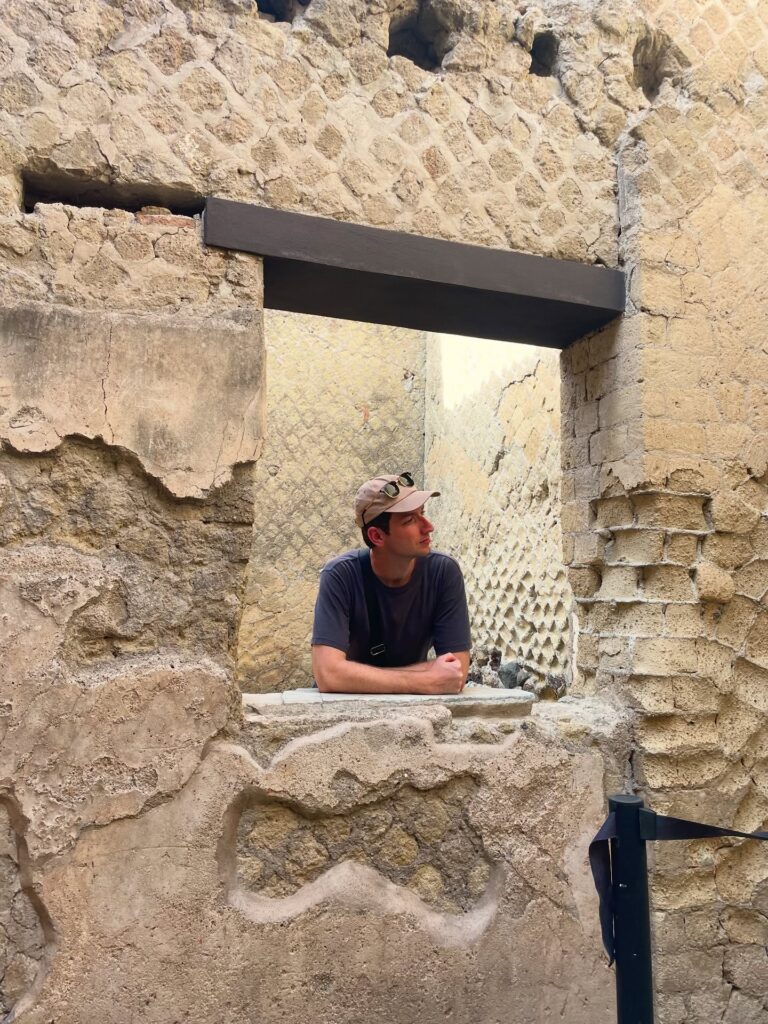
For Jacob, the appeal of local history lies in its immediacy. When people can see themselves, or their grandparents, in a story, they care more deeply about it.
“Once we stop telling these stories, firstly they get lost. There’s lack of appreciation there. And for some of the more negative stories… there’s always the risk of history repeating itself because we learn quite a bit from mistakes of the past.”
There is, he acknowledges, a sense of responsibility in the work he does. But more than that, an opportunity to capture stories before they disappear, and to help communities understand how the past has shaped them.
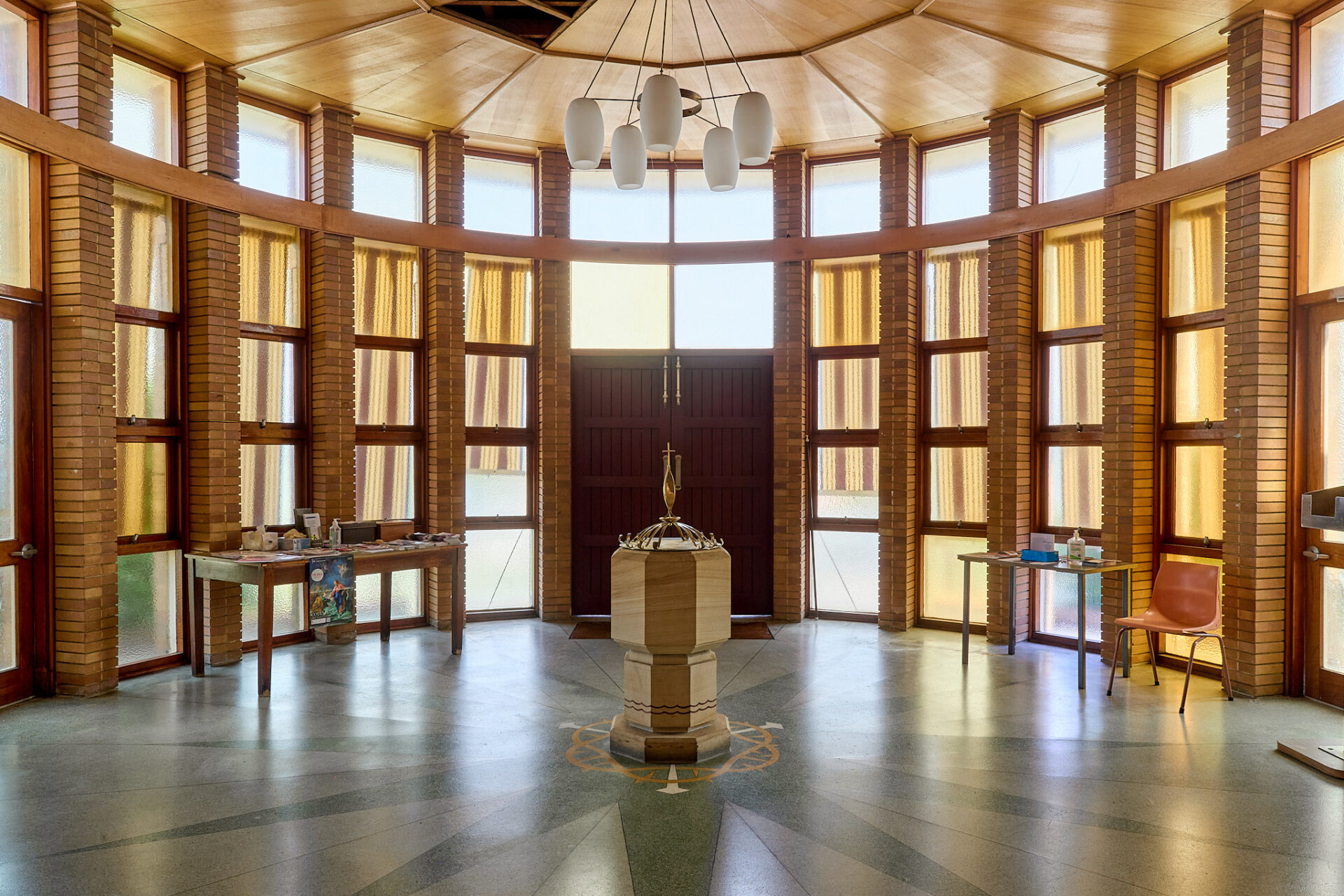
That understanding is particularly poignant in Boolaroo, where the parish community is marking 100 years.
Drawn to the area’s rich industrial history, especially the zinc and lead works that once defined Cockle Creek, Jacob sees Boolaroo as a place that has retained much of its identity. Unlike other parts of the Hunter, reshaped by waves of development, Boolaroo still carries visible traces of its past.
“You can kind of go there and almost step back in time,” he says. “It hasn’t seen the development that some of the areas have.”
Within the broader Hunter story, spanning tens of thousands of years of Indigenous history, colonial settlement and industrial expansion, Boolaroo holds a distinct place. Its industry differed from the coal-mining focus of neighbouring towns, and its proximity to Newcastle belies a character all its own.
As the parish celebrates a century of gathering, Jacob is struck by the longevity of that shared identity.
“To say that there’s a community group, in this case a church group, that’s still retaining its identity a century later… that’s quite a big achievement for any kind of group.”
Churches, he notes, carry a different kind of history to civic buildings. Where public buildings are practical, religious spaces are spiritual in nature, built for people to come together under a shared belief. Their very presence tells a story about what a community once needed and valued.
“You go to some older towns where there might have only been a population of 500, but they built multiple churches, some of which were quite grand. It shows the importance of that as a need in the community at that particular time.”
For milestone anniversaries like Boolaroo’s centenary, Jacob sees a natural fit. A community already gathered to celebrate its history is also a community ready to tell its stories. Moments like this, he says, are a chance to capture who people are now before those memories slip away.
It is the same instinct that drives his work more broadly.
When people watch his videos, he hopes they walk away with more than information.
“I hope people gain a bit of appreciation for how special their local history is,” he says. “Usually when you think of history, you think of ancient Egypt or some of those bigger stories. But there are so many smaller, more personal stories that are probably more relatable for people… they’re all out there just waiting to be told.”
For Jacob, remembering helps people understand where they stand.
“It provides us context of why and where we are today,” he says. “The past, present and future are very closely connected, and all should be respected and considered when planning for the future.”
In Boolaroo, the past still feels close. And for Jacob, telling those stories is one way of ensuring it stays that way.
Visit Jacob’s website https://www.ourpast.au/