Walking alongside those who have suffered
As we pause in remembrance this September, we acknowledge the devastation caused to victims, survivors, and the families of those who experienced sexual abuse within the Catholic Diocese of Maitland-Newcastle. In doing so, we are reminded that to build a safer world for future generations, we must remember and learn from the past.
Featured Posts

The simple power of being seen reading
4 September, 2026
A family woven into 100 years of St Clare’s
4 September, 2026
A decade measured in childhoods
4 September, 2026As we pause in remembrance this September, we acknowledge the devastation caused to victims, survivors, and the families of those who experienced sexual abuse within the Catholic Diocese of Maitland-Newcastle. In doing so, we are reminded that to build a safer world for future generations, we must remember and learn from the past.
Many of us who volunteer and work throughout the Diocese find ourselves walking alongside survivors of trauma. Some of us carry our own history of trauma or have a loved one who struggles with the past. This path is not easy. Often, it can feel overwhelming to support someone whose past continues to shape their present.
One approach gaining widespread recognition is Trauma Informed Care. Though the term only emerged within the past 25 years, it now underpins many organisational guidelines and policies. But what does it truly mean, and how do we ensure that we are practising it?
In its essence, Trauma Informed Care asks us to respond to the whole person. It recognises the ongoing impact of lifelong experiences, rather than simply reacting to what may appear to be current complex behaviour. It also encourages us to consider the ongoing influence of previous generations, and how trauma experienced by those who are no longer with us has been handed down through interactions and beliefs. In every encounter, we are implored to shift our thinking from “What is wrong with you? to “What has happened to you?”
The five guiding trauma-informed values and principles (proposed by Drs. Maxine Harris and Roger Fallot in 2001) are safety (physical and emotional), trustworthiness, choice, collaboration, and empowerment.
Trauma informed care is something we can all incorporate into every interaction. It can provide a powerful framework for all communication and engagement with others. Incorporating these five principles into every conversation has potential to strengthen relationships in paid and volunteer work, in parish and community groups, and also family and friendship networks.
We can all do this by:
- listening without trying to fix or give advice
- asking permission prior to touching or taking photos
- asking how we might help and better understand rather than assuming we know best
- maintaining clear boundaries and encouraging others to speak their truth even if we do not agree
- offering access to support without expectation – knowing that every individual is empowered by making their own choices
- understanding that every individual is doing their best and that there may be much about their history they will never share with you
- understanding that past experiences have a lifelong impact on every individual.
At Zimmerman Service Healing & Support, we acknowledge the profound trauma experienced by many at the hands of trusted persons, and recognise that healing is a journey, not an end goal. Our service aims to provide psychosocial support and confidential assistance to anyone who has been impacted by sexual abuse within the Diocese. The choice to seek support for harm that happened many decades ago is an individual one. However, if you are curious about how we may be able to help, you can be assured that you and your loved ones will be treated with respect and provided with confidential support, regardless of whether or not you have an ongoing relationship with the Church.
For more information on support services that are available, click here.
What’s on this September?
Perpetual Day of Remembrance will be commemorated on Sunday, 14 September 2025. It will be an opportunity for the Diocese’s whole faith community to come together in prayer and remembrance – honouring survivors, acknowledging the wrongs of the past, and renewing our commitment to building a Church that is safe and life-giving for all.
The Diocese will also light Sacred Heart Cathedral in Newcastle West from Thursday, 11 September until Wednesday, 17 September.
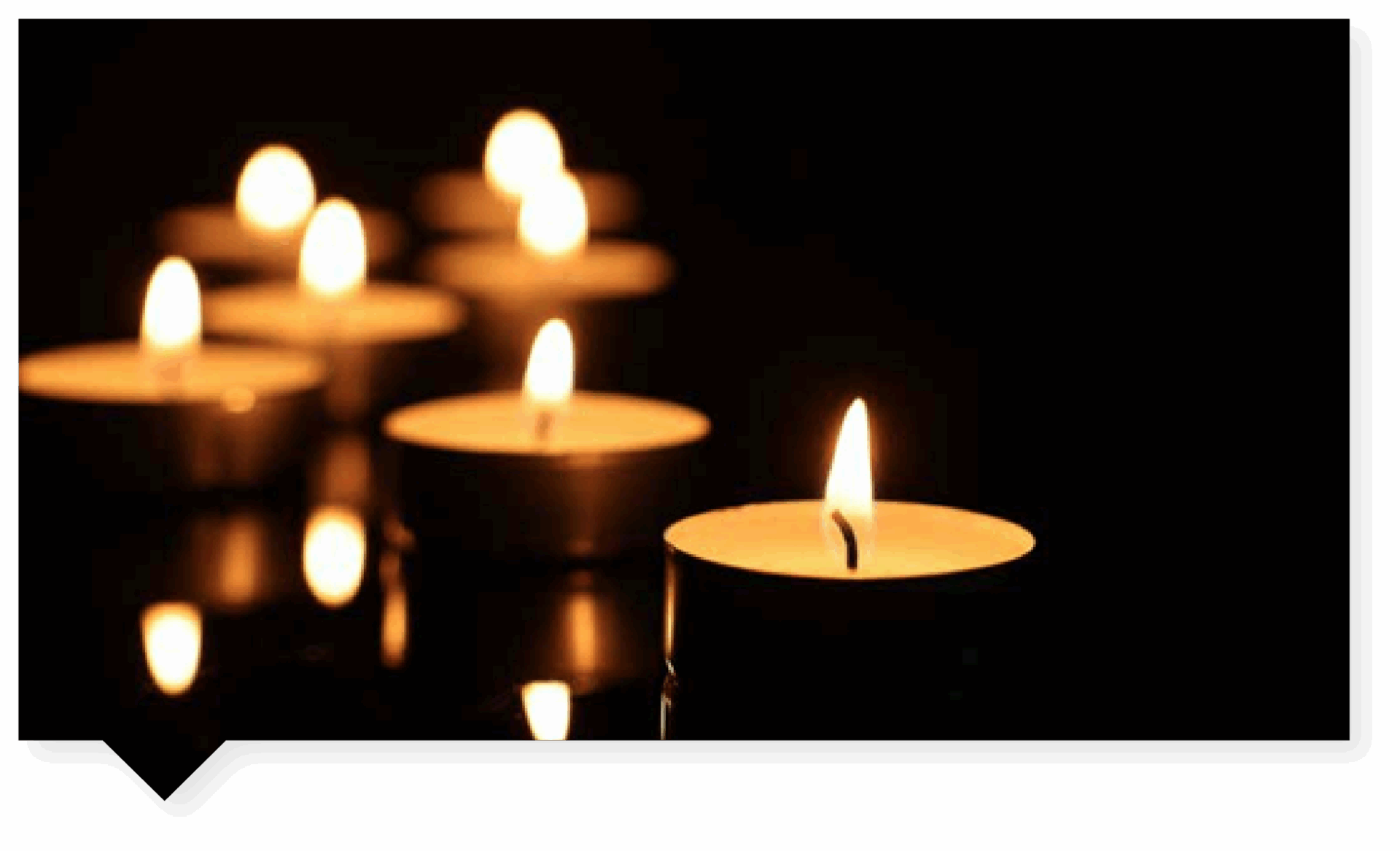
For those wanting to commemorate outside of a liturgical setting, Zimmerman Service Healing and Support is inviting those impacted by child sexual abuse within the Catholic Diocese of Maitland-Newcastle to honour survivors, their loved ones and those who have been lost. Visitors are welcome to come and light a candle, contribute to some artwork, listen to ‘The Innocents’ commissioned Day of Remembrance music, chat, have something to eat and/or have a cuppa with our team. Details: Thursday 18 September 2025 2pm to 4pm 5 Selma St, Newcastle West. A private booking can also be made via [email protected]