The Josephite Sister keeping Fr Julian’s story alive
For more than 35 years, Sister Jan Tranter has been uncovering the story of a remarkable priest whose influence continues to be felt across the Hunter.
Now, through a new book and exhibition, she is inviting others to discover the man she has come to know and admire.
Featured Posts

Beyond the curtain: The story behind ASPIRE
19 October, 2026
The class that made history
9 October, 2026
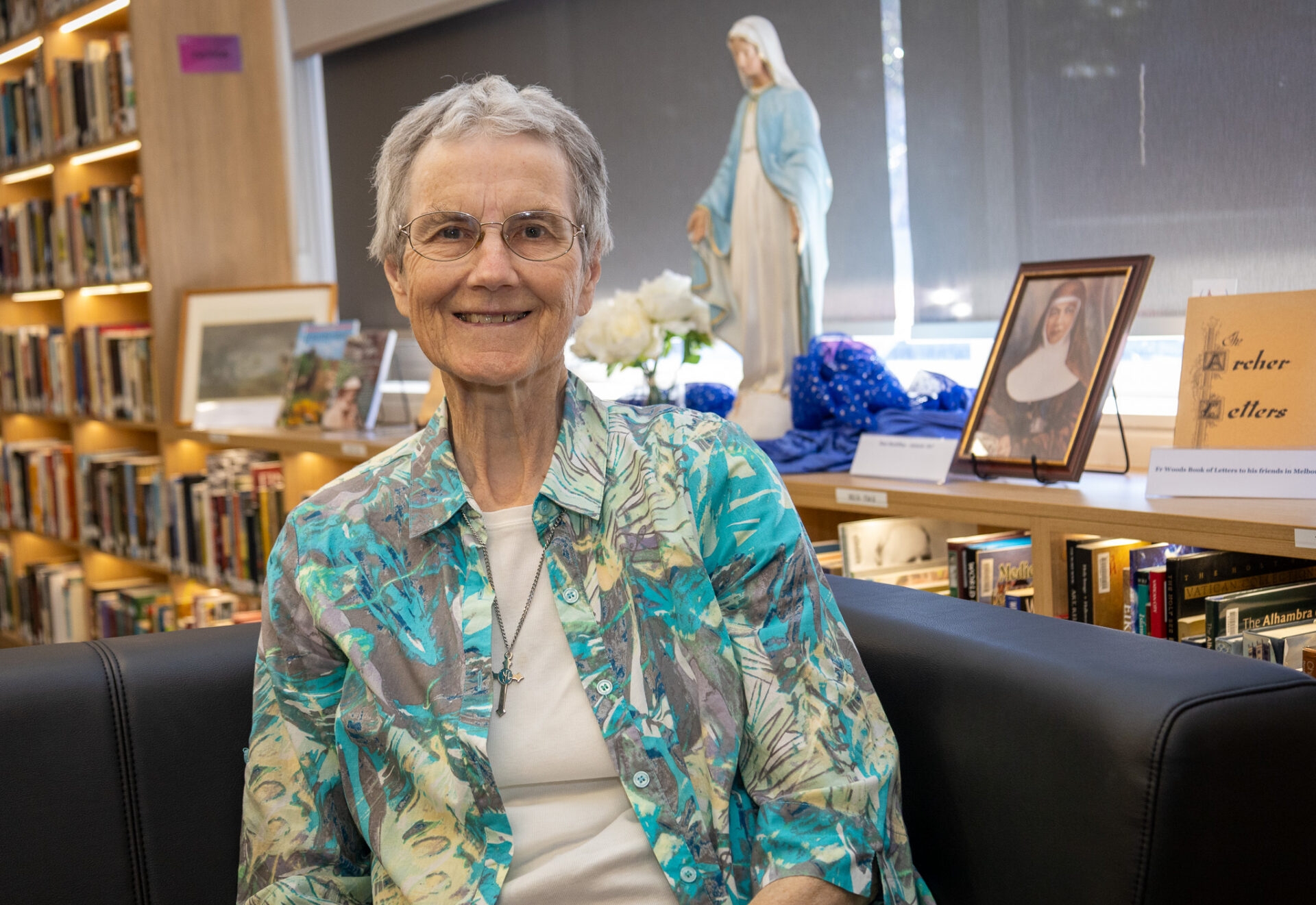
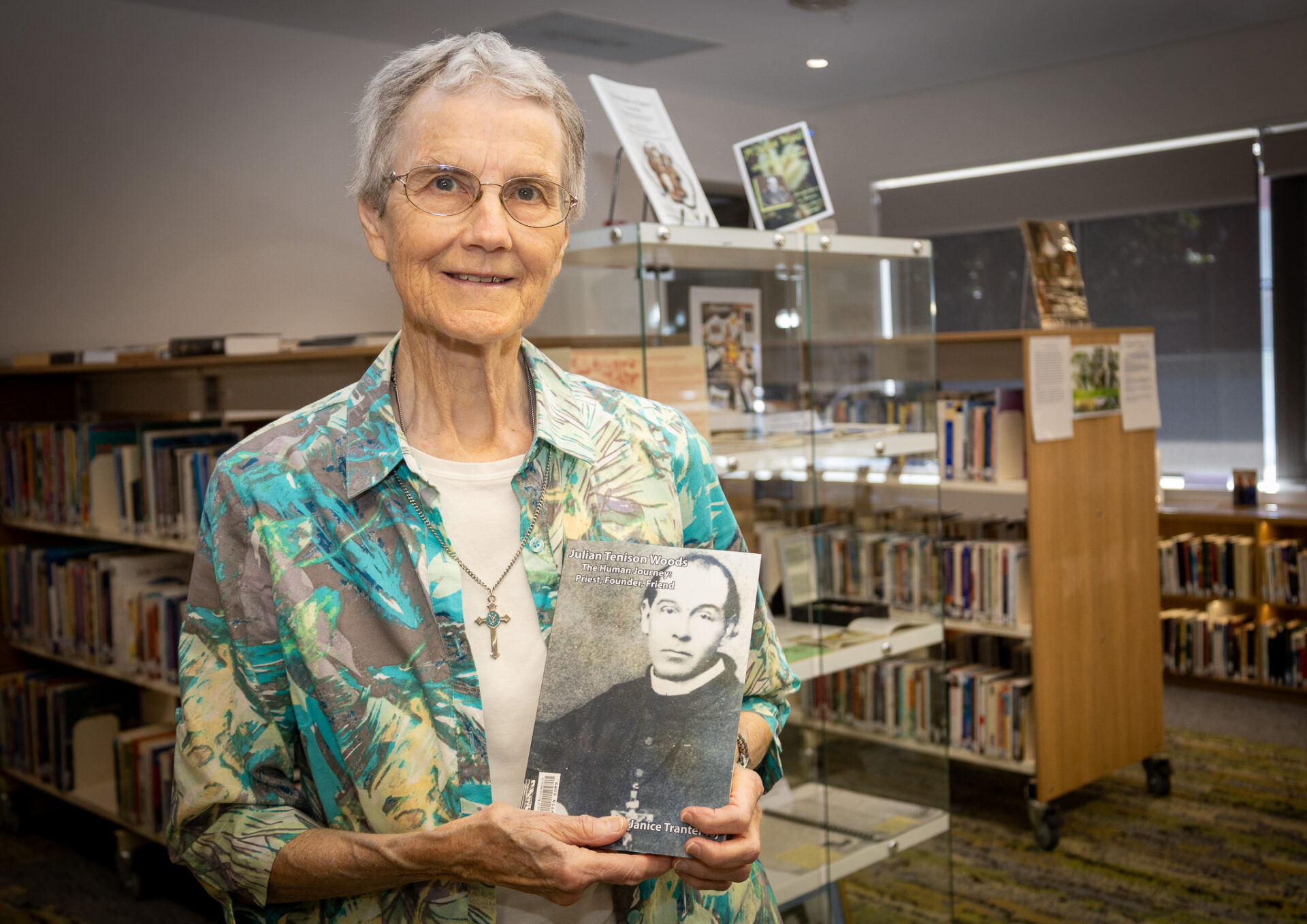
Sister Jan Tranter, a much-loved Sister of St Joseph, Lochinvar, has spent much of her life getting to know a man she has never met. She knows his extraordinary gifts, his gentle nature and his sense of humour. She knows the friendships that sustained him, the hardships that tested him and the deep faith that carried him through.
Fr Julian Tenison Woods was a priest, missionary, educator and accomplished natural scientist. Together with Saint Mary MacKillop, he founded the Sisters of St Joseph, sharing a vision of religious life grounded in simplicity, prayer and service to those in need.
More than 130 years after his death, Fr Julian remains a constant presence in Sr Jan’s life. And she is determined that others should come to know him too.
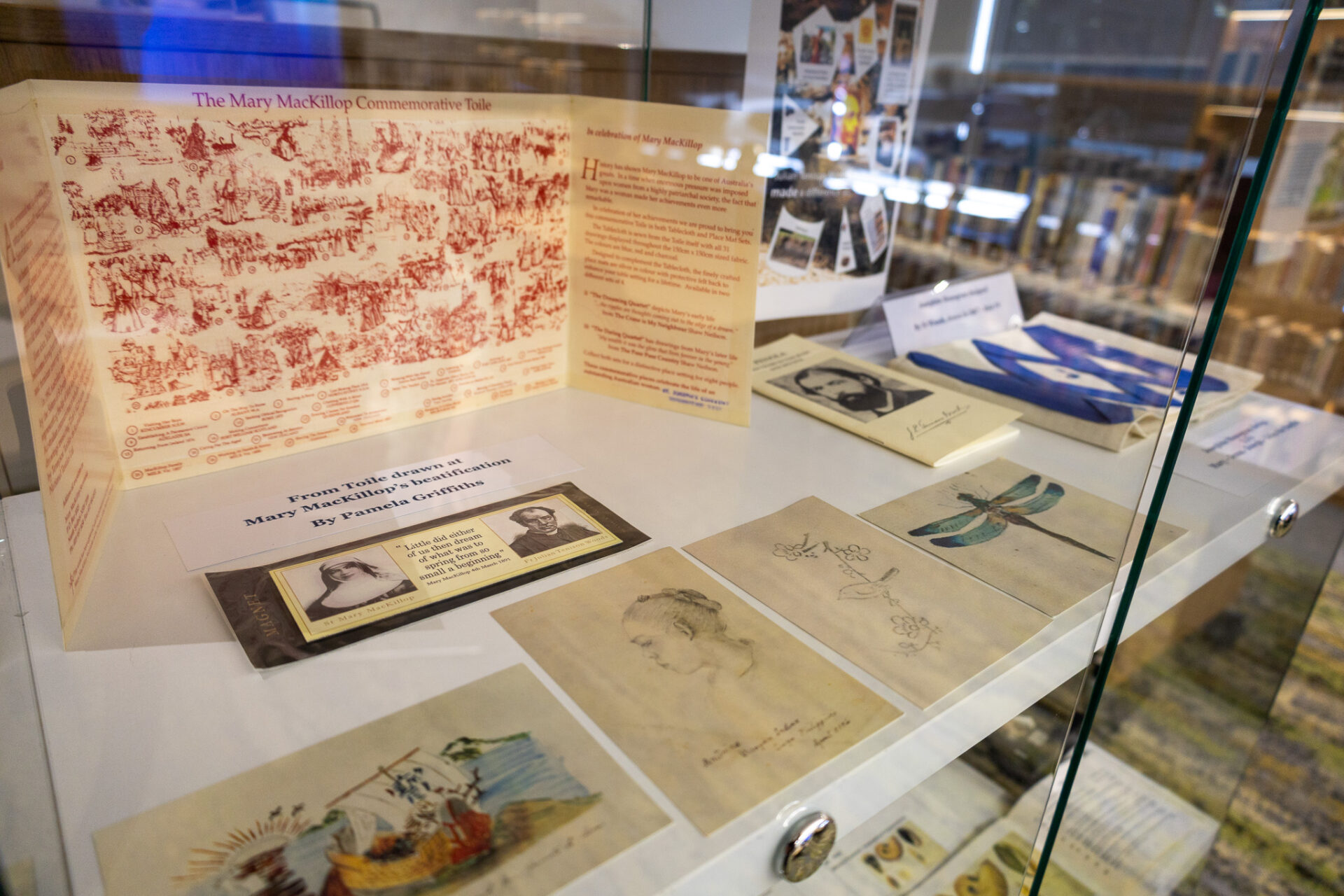
Her recently published book, Julian Tenison Woods: The Human Journey – Priest, Founder, Friend, brings together 35 years of scholarship and reflection. It has also inspired a special exhibition at the Diocese of Maitland-Newcastle’s Diocesan Resource Centre, featuring geological specimens, photographs, books and historical materials. But Sr Jan’s fascination with Fr Woods began long before she imagined writing a book about him.
Growing up in Waratah, faith was woven into everyday family life. Her parents were people of practical faith, always ready to help others, and her father, a construction foreman, worked on several Catholic buildings, including at Lochinvar.
Her first impressions of the Josephites came through her grandmother, who spoke fondly of the Sisters at Glendon Brook, near Singleton. They welcomed children of all faiths into their school and walked long distances to care for people who were sick.
A family illness later brought young Jan to Lochinvar, where she became a boarder at the Sisters’ school. After completing university studies, she entered the congregation, beginning a religious life that has now spanned around 60 years. She went on to teach in Josephite secondary schools at Lochinvar, Port Macquarie and Gateshead, but an interest in the congregation’s beginnings was already taking hold.
A photograph of Fr Woods in the school library and a science laboratory bearing his name had stirred her curiosity. Mary MacKillop was familiar to her, but she wanted to know more about the man who had the vision for the order.
“I loved the spirit of the Sisters and we weren’t all saints, but there was a good spirit. They were alive women. They were interested. They were caring.”
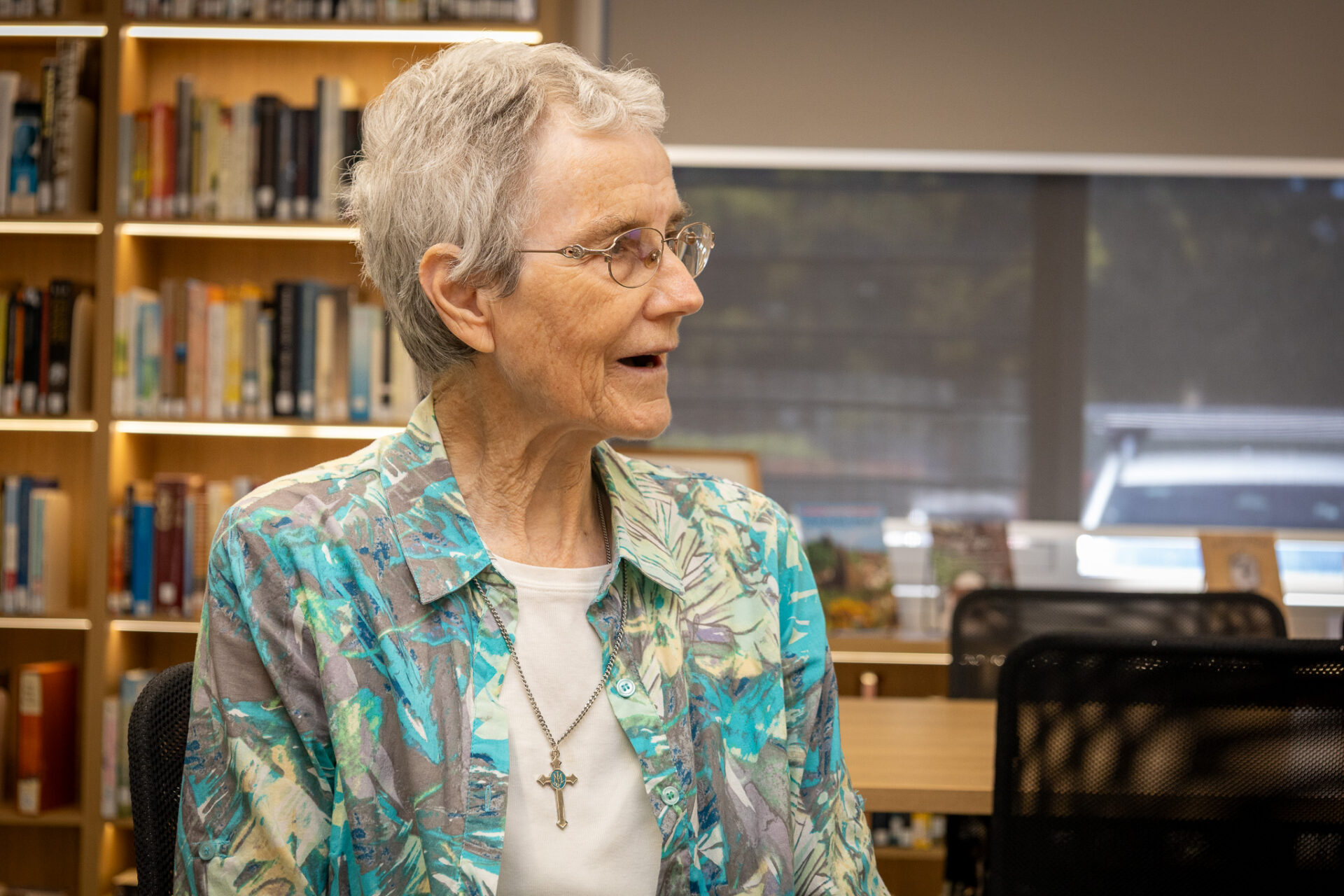
That curiosity became a lifelong pursuit, eventually leading to postgraduate study, historical research and decades of writing. What emerged was a portrait of a man whose remarkable achievements were matched by his humanity.
“A strong person, very gentle. Good sense of humour, gentlemanly, courteous. And very, very gifted.”
That vision had its beginnings in France, where a young Julian Woods encountered Sisters living and working among ordinary country families. Years later, he met Mary MacKillop who shared his desire to serve the poor. His concern for poor children growing up without religious instruction was the driving force behind his founding vision.
“When he described his concerns to her, they were Mary’s own concerns too. What he wanted to found, she recognised as her call. He asked her, ‘If I get permission from the bishop to found this institute, would you be one of the first?’ Well, that was it; they both recognised it as God’s work. What a friendship! Extraordinary.”
Fr Woods’ influence extended well beyond South Australia. In 1872, following a difficult period in Adelaide, he began a new chapter of missionary life in Raymond Terrace, where he was deeply moved by the faith of local families. He went on to preach missions throughout the Hunter, including Maitland, Branxton and Muswellbrook, drawing large gatherings and leaving a lasting impression on communities.
Some of the young women who encountered him later became Sisters of St Joseph, with his influence extending to the congregation established at Lochinvar in 1883. Yet Sr Jan believes it is the man behind these achievements who deserves to be better known.
His life was marked by illness, disappointment, misunderstanding and the loss of cherished friendships. Despite these hardships, he remained committed to his faith and the people he served. Asked what Sr Jan would say if she could sit down with him today, her answer is immediate.
“How did you keep going? But I know his answer.”
She believes the answer lies in his profound relationship with Jesus and Mary, his devotion to the Eucharist, confidence in God and his willingness to persevere through suffering.
Holding her finished book about Fr Julian for the first time was an emotional moment.
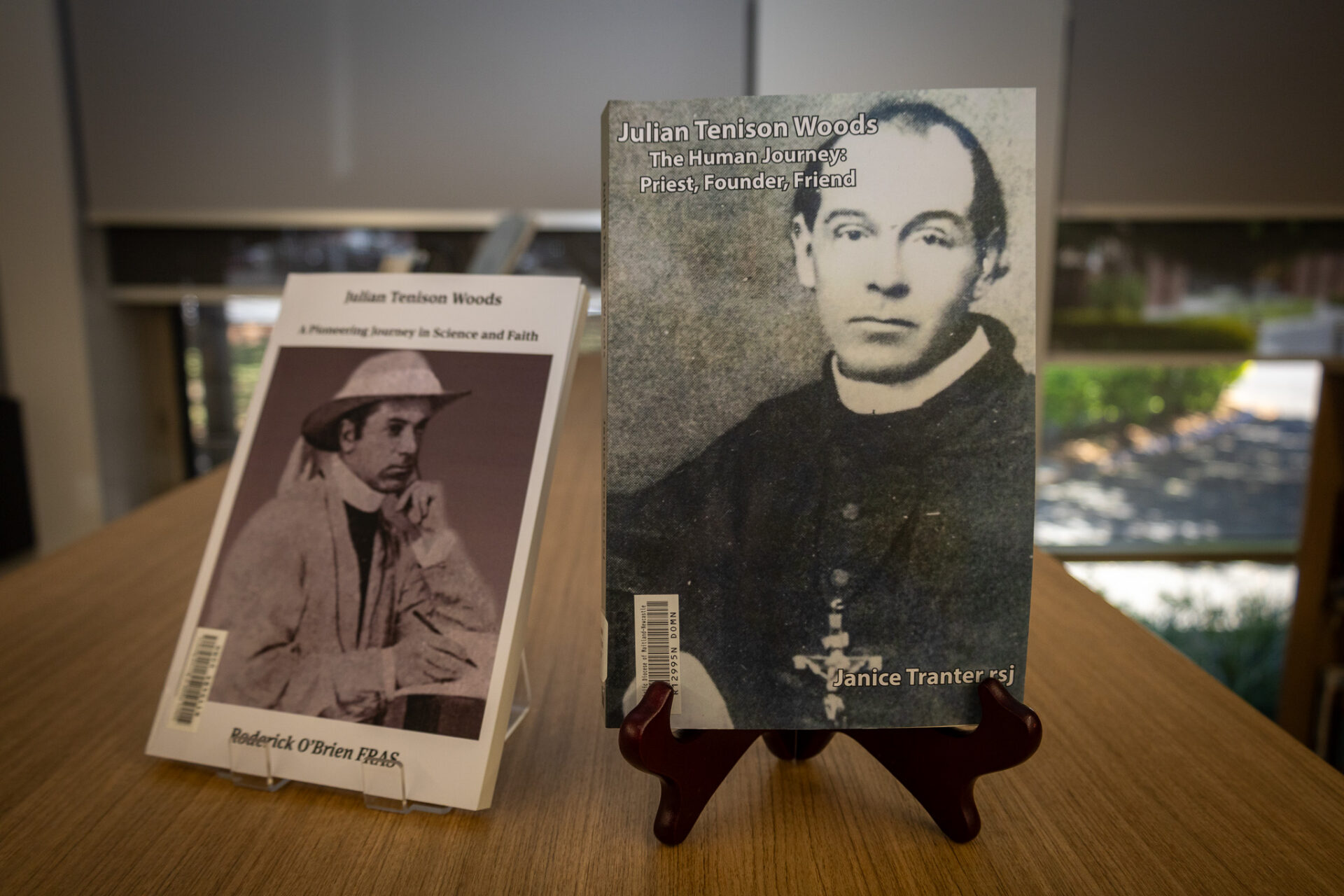
“It was like a miracle because I wanted to share what I’d had the privilege to learn, and I really owe it to my congregation because it was the spirit I picked up in the sisters that made me wonder who founded this group.”
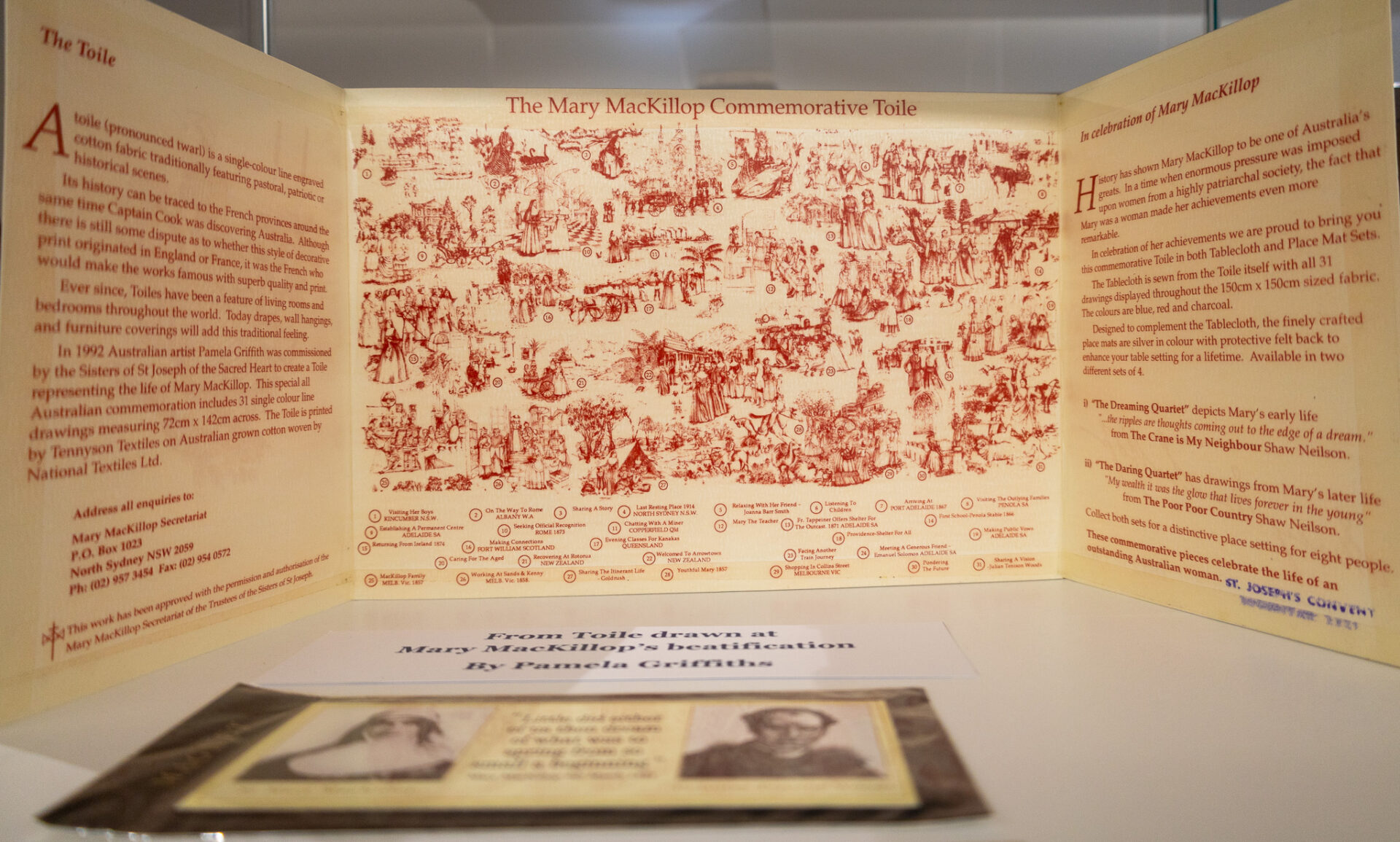
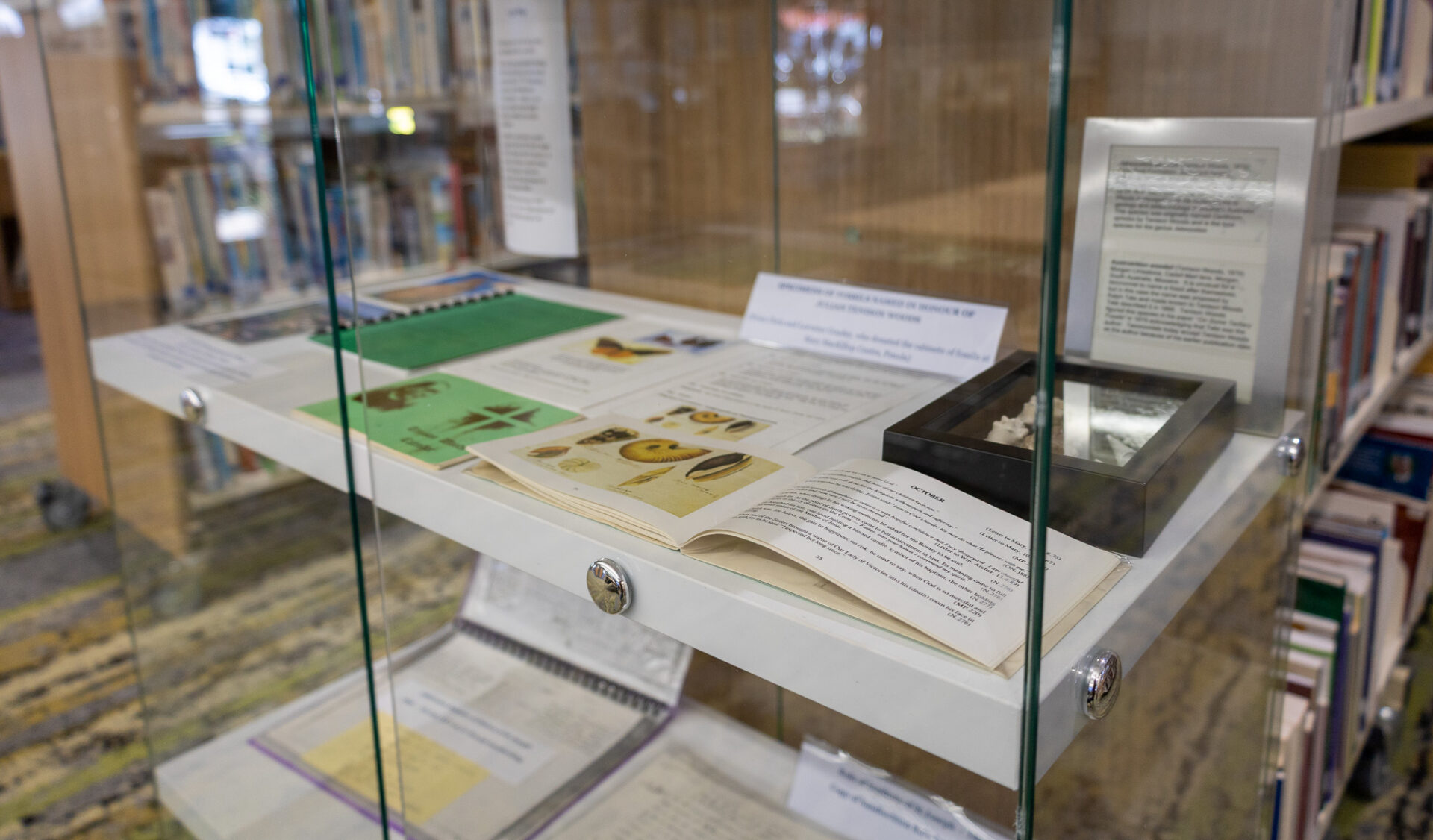
The exhibition offers another opportunity to share his story, including his fascination with geology and the natural world. Drawing largely on Sr Jan’s own collection, it brings together objects and historical materials that offer visitors a glimpse into the life of a man whose interests extended far beyond the Church.
“A man of extraordinary love for God. His feet were planted in the earth. He was one of Australia’s greatest natural scientists at the time.”
Sr Jan hopes visitors discover a man whose faith and humanity were inseparable. As the Lochinvar congregation gets smaller and its Sisters grow older, she remains confident that the Josephite spirit will endure, even if its expression changes.
“But something will be born of the Josephite tradition. It won’t die. I’m quite convinced it’ll just be different.”
Her own life offers a quiet example of that enduring spirit. Reflecting on Fr Woods’ teachings, she returns to the humility of Saint Joseph and the importance of serving without seeking recognition.
“Have a sense of gratitude. And Julian told us we really were to be like Saint Joseph – ready to be hidden, not seeking the light. So, it’s not the way of the world: be in the front seat and have everybody see you. If you follow Joseph’s way, you’ll have an extraordinary impact, but you might not be noticed. And that was Julian.”
Through her book, her exhibition and a lifetime of faithful service, Sr Jan is ensuring that Fr Julian Tenison Woods will continue to be noticed, remembered and understood.
Get more stories like this by signing up to the newsletter!
Visit the exhibition
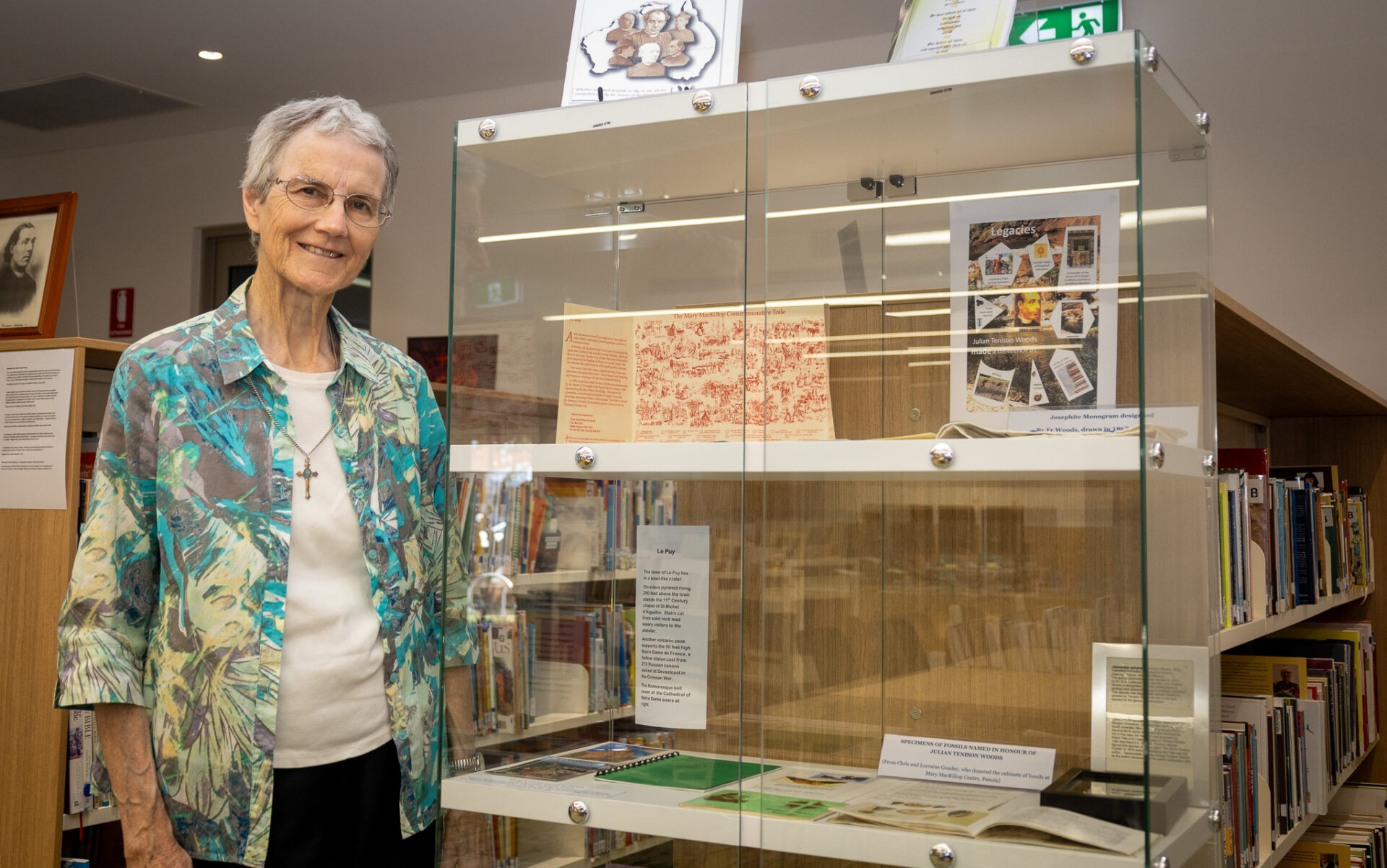
Julian Tenison Woods: The Human Journey – Priest, Founder, Friend is on display at the Diocesan Resource Centre until the end of 2026.
The exhibition includes geological specimens, photographs, books, historical materials and a multimedia presentation.
Opening hours: Mondays and Fridays, 10am–5pm, and the first and third Saturday of each month, 10am–2pm.
Visit the Maitland-Newcastle Diocesan Resource Centre.