Prison Chaplaincy: Seeing the person
Behind locked doors and high security fences, Prison Chaplain Bernard meets people at some of the lowest and most uncertain points in their lives. From listening to men struggling with fear and regret to helping them rediscover faith and hope, his ministry is built on a simple but powerful belief: no one should be defined by the worst thing they have done.
Featured Posts

The Josephite Sister keeping Fr Julian’s story alive
30 October, 2026
Beyond the curtain: The story behind ASPIRE
19 October, 2026
The class that made history
9 October, 2026Some of the Church’s most important work happens in places few of us will ever see. Behind high security fences and locked doors, far from public view, prison chaplains carry out a quiet but deeply meaningful ministry, offering compassion, dignity and hope to people at some of the most difficult points in their lives.
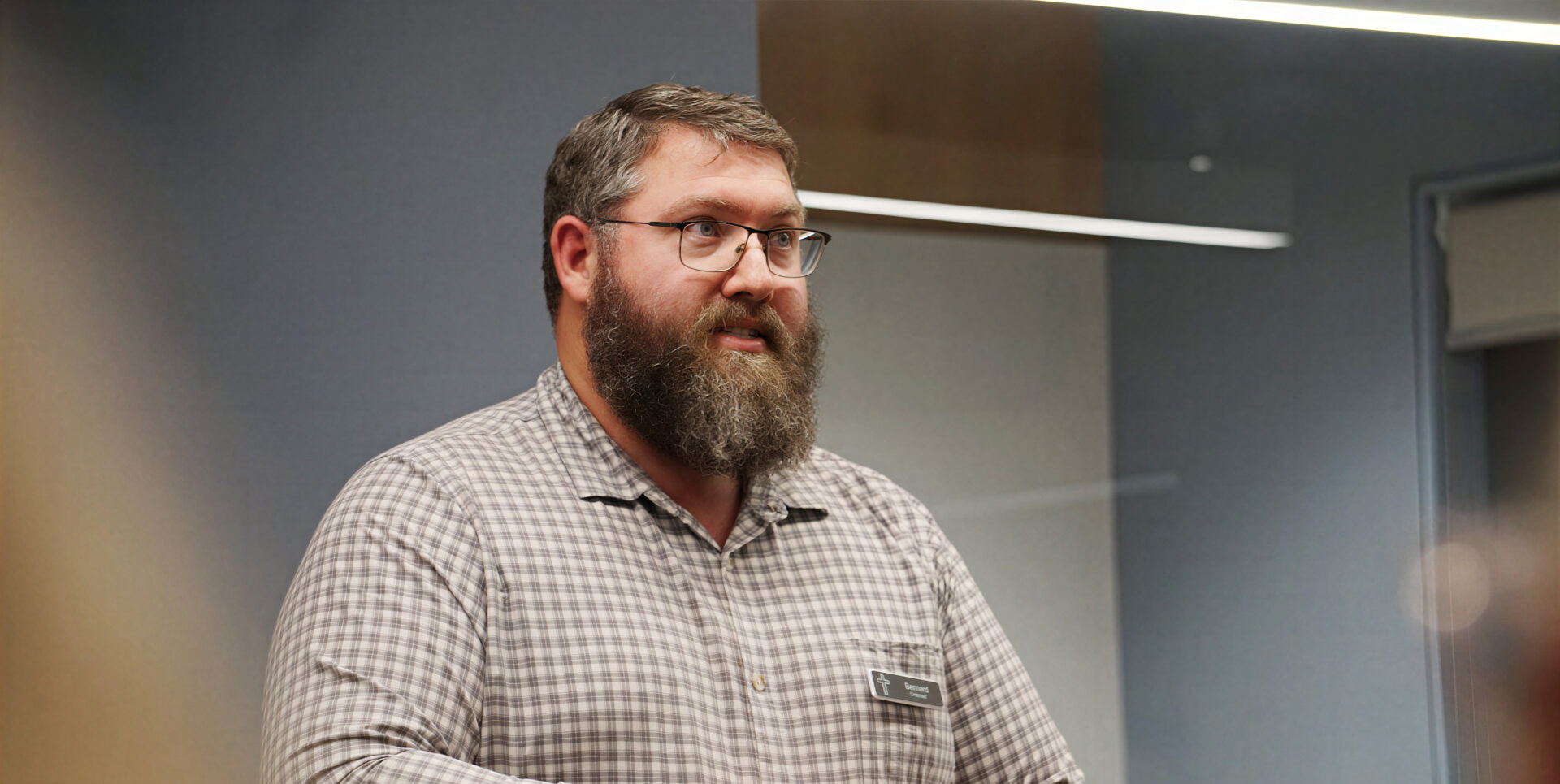
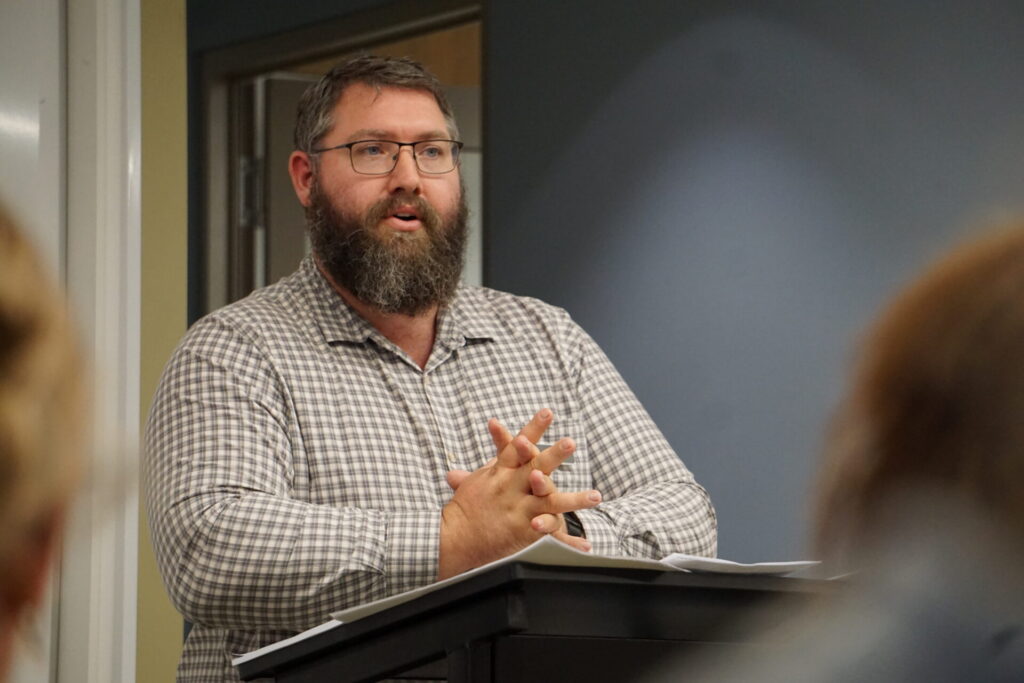
At a recent Called to Know More session, Prison Chaplain Bernard shared his personal journey and offered a glimpse into his ministry within correctional centres across the Diocese. It was an opportunity to learn more about a part of the Church’s mission that often goes unseen, and the people at the heart of it. The message was clear: no matter a person’s past or the mistakes they have made, their dignity remains and the possibility of change is always there.
For Bernard, who is new to prison chaplaincy, the path to this ministry began with a search for direction. When he first felt drawn to the work, he questioned whether this was really where God was leading him. Through prayer, discernment and formation, he gradually came to recognise it as more than a role. It was a vocation.
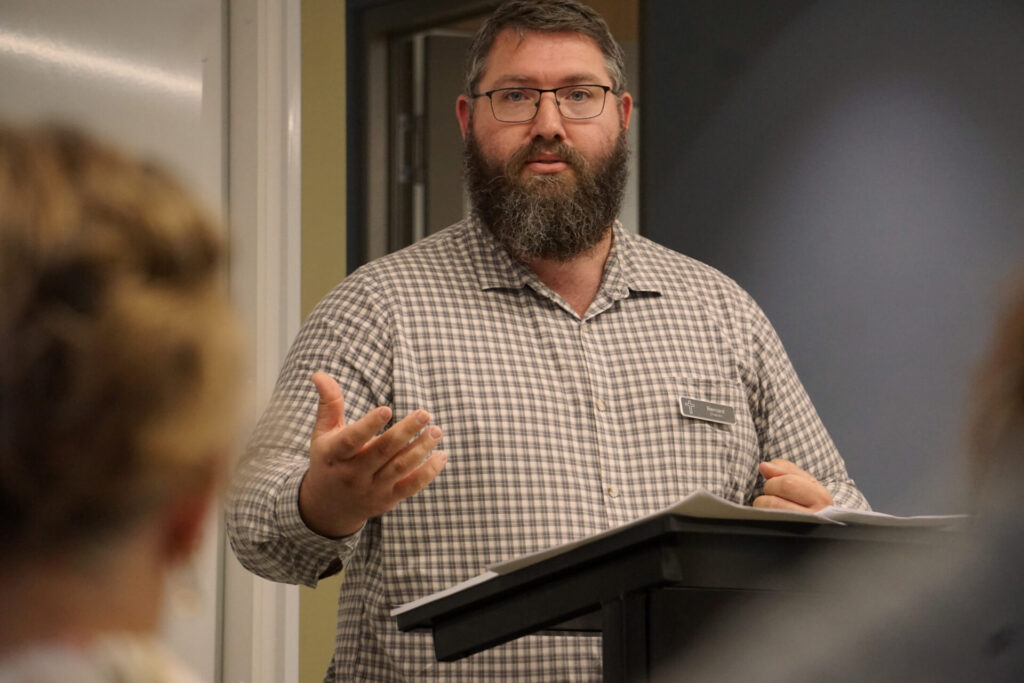
He came to understand that he was being called to walk alongside people at some of the most difficult moments of their lives. And that begins with how he sees them.
“I don’t look at the man as the crime. I want to see their heart,” he explained.
It is a simple statement, but one that challenges the way society often views people in prison. Crime has consequences, and the harm caused to victims, families and communities cannot be overlooked or understated. So how does a chaplain reconcile the seriousness of someone’s actions with the need to meet them with compassion and an open heart?
For Bernard, it starts with not making assumptions. He deliberately avoids reading a prisoner’s record, or ‘wrap sheet’, before meeting them. He wants to get to know the person first, rather than allow their past to shape his perception before they have even spoken.
This does not mean excusing wrongdoing or diminishing the impact of crime. Justice and accountability matter. But Bernard’s approach recognises that a person is more than the worst thing they have done, and that remorse, healing and change remain possible.
That willingness to meet people without judgement is also met with respect. Prisoners value the presence of chaplains, including those who do not identify as religious. Some seek them out themselves, while others are referred. For many, the opportunity to speak with someone who will listen, without judgement, and treat them with dignity is important, regardless of their faith.
It is a perspective grounded in the example of Jesus, who repeatedly reached out to people others had judged, rejected or written off. He looked beyond their circumstances and past mistakes to recognise their worth.
For prison chaplains, this belief shapes the everyday work. Sometimes it means sitting with a young man entering custody for the first time, frightened and unsure of what lies ahead. At other times, it means being there on a particularly difficult day, listening without rushing to offer answers, or simply giving someone the space to talk.
There are no grand gestures or easy solutions. Much of the work is about showing up, building trust and allowing people to be heard.
During the session, Bernard shared the story of a prisoner preparing for release. Over several weeks, they spent time together in prayer, with Bernard helping him learn to pray the Rosary and reconnect with the faith of his childhood. Gradually, changes began to emerge, not only in the man himself but in the way he related to those around him.
It was a reminder that change does not always happen in a single defining moment. Sometimes it begins with a conversation, a renewed connection with faith or simply knowing someone is willing to walk alongside you.
When asked about his daily prayer, Bernard offered a simple response: “Lord, allow me to love one more person.”
That prayer captures much of what this ministry is about. It is not about having all the answers or being able to change someone’s circumstances. It is about making room for another person, recognising their dignity and offering compassion, even in a place where hope can be hard to find.
Most of us will never step inside a correctional centre. But the people we encounter each day may also be carrying regret, loneliness, grief or burdens we know nothing about. The challenge to look beyond someone’s circumstances and meet them with compassion is not confined to prison chaplaincy. It belongs to all of us.
This year marks ten years since Prison Sunday was established in Australia. It is an opportunity to pray for prisoners, their families, victims of crime and those who minister in correctional centres. It also draws attention to a part of the Church’s mission that can easily go unseen.
Prison chaplaincy reminds us that the Church’s mission does not stop at the prison gates. Neither does God’s mercy.
And perhaps Bernard’s prayer is one worth carrying into our own lives: to love one more person, to look a little closer and to see the person, not simply the circumstances that surround them.