Supporting a child or young person affected by family and domestic violence
Featured Posts


A journey of preparation and hope
6 March, 2026
The stories that shape us
6 March, 2026Family and domestic violence impacts a child’s development and wellbeing. Even if the child wasn’t physically harmed, witnessing violence can have long lasting impacts. They may see or hear violence or arguments, they may have to run and hide, they may feel responsible for a parent or younger sibling, their mental health and self-esteem may be affected or they may even be injured intervening. Some forms of family violence are criminal acts. These include stalking, threats, sexual and physical abuse.
Experiencing violence in the home impacts on a child’s behaviour, development, relationships, emotions, learning, cognition and their physical and mental health.
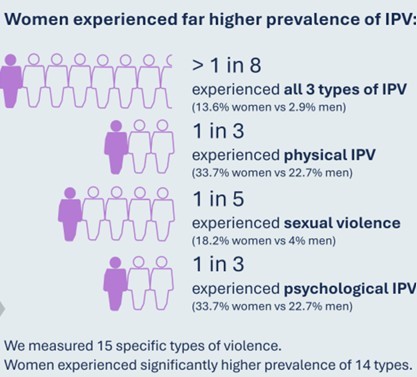
The Australian Child Maltreatment Study surveyed participants over the age of 16 who had ever been in a romantic relationship to estimate the prevalence of intimate partner violence (IPV) in Australia. There are three types of IPV: physical violence, sexual violence, and psychological violence.
Women experienced far higher prevalence of IPV:
Signs of family and domestic violence at home
Signs can vary according to the child or young person’s age and developmental stage but may include:
- Acting out or being rebellious
- Having low self-esteem
- Seeming withdrawn
- Often presenting with injuries such as bruises, burns, sprains or cuts
- Having lost weight
- Using clothing to hide injuries
- Behaving aggressively towards other children, toys or property
- Experiencing a developmental regression such as bed-wetting
- Struggling to stay focused
How to support a child or young person
- Ask them if they are worried about anything
- Believe what they are saying and don’t minimise it
- Reassure them it’s not their fault and it’s not their responsibility to protect family members
- Let them know you’re available to talk
- Help build their self-esteem by praising positive behaviour and reminding them what they are good at
Basic safety planning
Safety planning means thinking about ways to stay as safe as possible while experiencing domestic and family violence. Children and young people can be supported to develop a safety plan but this will depend on their age and developmental stage. A safety plan might include:
- Knowing how to call 000 in an emergency
- Deciding on a safe place to go (a neighbour or a friend)
- Identifying some safe adults such as a grandparent or family friend
- Accessing Kids Helpline Kids Helpline | Phone Counselling Service | 1800 55 1800
- For older children/young people or adults, accessing 1800 Respect Home | 1800RESPECT
- For adults Domestic and family violence support | NSW Government
For Mandatory Reporters
If you are a mandatory reporter and you receive a disclosure regarding domestic and family violence, please complete the Mandatory Reporter Guide (MRG), and if required, make a Risk of Significant Harm report to Communities and Justice (DCJ). If you are concerned about the immediate safety of a child or young person, please call 000 and request assistance from police.