A place for everyone: Bishop Michael responds to new research on Catholic faith
Many Catholics who no longer regularly attend Sunday Mass remain deeply connected to their faith.
Bishop Michael reflects on what their experiences can teach us about listening, belonging and making the Church a place where everyone feels welcome.
New research into why Australian Catholics no longer regularly attend Sunday Mass offers us an important opportunity to listen and consider how we can better welcome people into the life of the Church.
The Absent from the Table report, commissioned by the Australian Catholic Bishops Conference, reveals that many of the Catholics who participated in the research continue to hold their faith close, even when they are no longer regularly present in our churches.
They continue to pray, share their faith with others, educate their children in Catholic schools and contribute to their communities. Their connection with God has not disappeared, even if their relationship with the Church has changed. I find that encouraging, but I also believe these findings challenge us.
Rather than simply asking why people are no longer coming to Mass, we should be asking what they are looking for, what their experiences of the Church have been and what we can do to help them feel they belong.
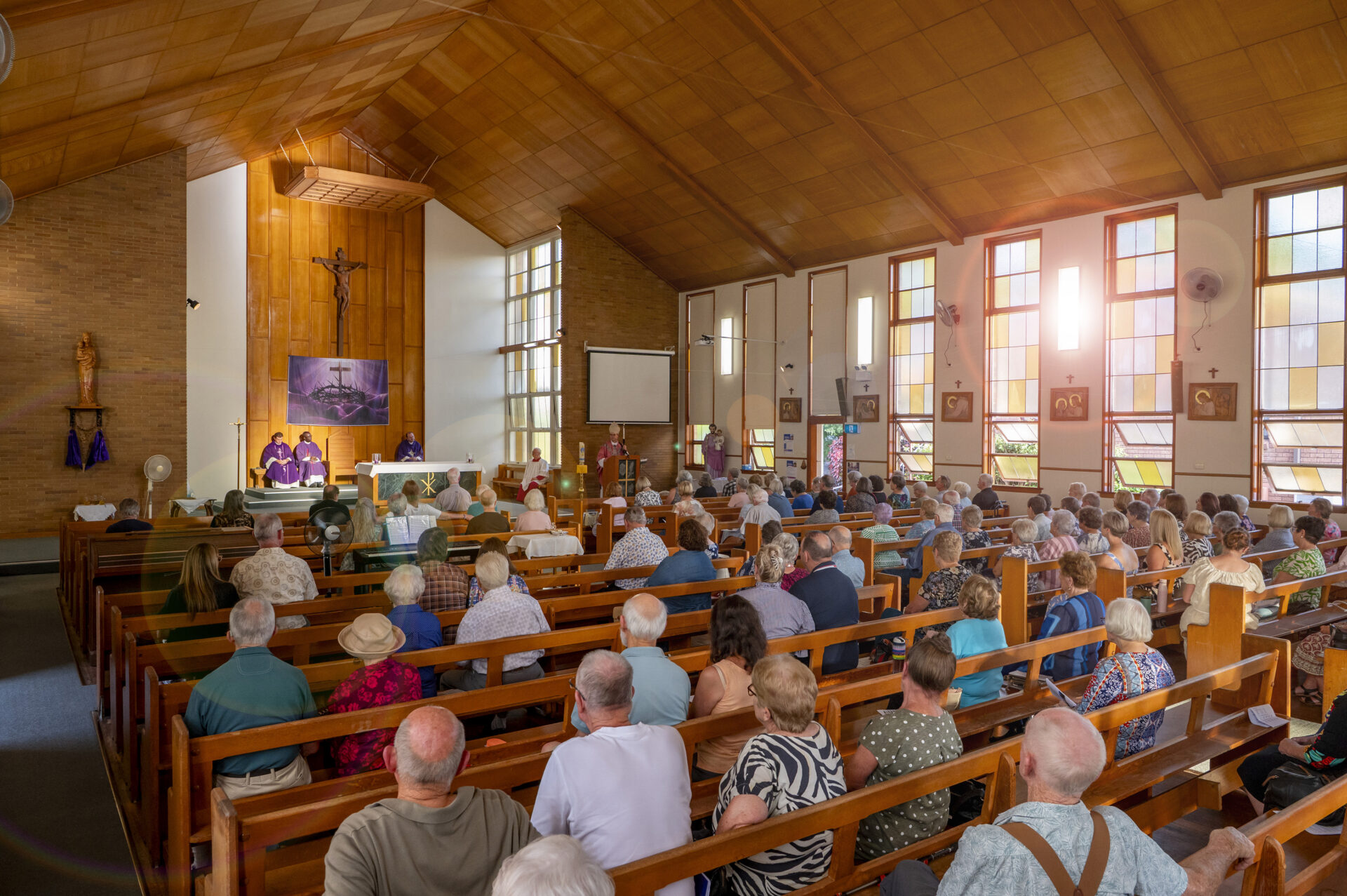
Across the Diocese of Maitland-Newcastle, people experience the life of the Church in many different ways. Some gather with us each Sunday in our parishes. Others encounter the Church through our Catholic schools, St Nicholas Early Education centres, CatholicCare Social Services and the many ministries that serve our communities.
These are all important points of connection. They remind us that the Church is much more than the buildings in which we worship. It is a community of people, each with their own experiences, questions and relationship with God.
The Eucharist remains at the heart of our life as Catholics. It is where we gather on the Lord’s Day as the community of Christ’s disciples and where he again comes into our midst through the proclamation of his word and the celebration of the sacrament of his body and blood. It is where we encounter Christ and one another, and where we are strengthened to carry his love into the world. It is what we desire for all Catholics, and we are saddened when family members, neighbours, and friends are not there with us.
But we must also recognise that people’s relationships with the Church can be complicated. Some have gradually drifted away as their lives have changed. Others have experienced disappointment, hurt or a loss of trust.
We cannot assume that everyone who is absent has the same story, nor that the answer is always as simple as asking them to return. Genuine welcome begins with listening, and listening requires us to be open to what we might do differently.
I encourage our parish communities to reflect on what it means to be genuinely welcoming. Are we making room for people who have questions or whose experiences of the Church have been difficult? Do we understand what people are looking for? Are we creating communities where people feel valued and comfortable taking part? These are questions for all of us, including those of us in positions of leadership.
My hope is that every person who encounters the Church across our Diocese experiences a community where they are welcomed and knows there is a place for them, wherever they may be on their faith journey.
The Eucharist draws us together as one body in Christ. May the welcome we experience at the Lord’s table be reflected in the way we welcome one another, particularly those who have been away from that table for some time.
Click here to read the full report on the NCPR website