A parish through changing times
When I recently visited the archives of the Archdiocese of Sydney, I went looking for parish records and found something far more human.
Featured Posts

A journey of preparation and hope
6 March, 2026
The stories that shape us
6 March, 2026
A 1927 parish report from Lake Macquarie carefully recorded the Catholic population, the number of families, school children and civic residents in each district. It also listed what were described as “Special Dangers,” including ignorance of the faith due to mixed marriages, children attending public schools, moral decline and, notably, children going to picture shows.
By 1950, the list had evolved to include communism, servile work on Sundays and weekend dances at Catherine Hill Bay, with the observation that “men were dancing close to women.”
Every generation believes its challenges are unprecedented and that it stands on the edge of something new and unsettling. And yet, here we are.
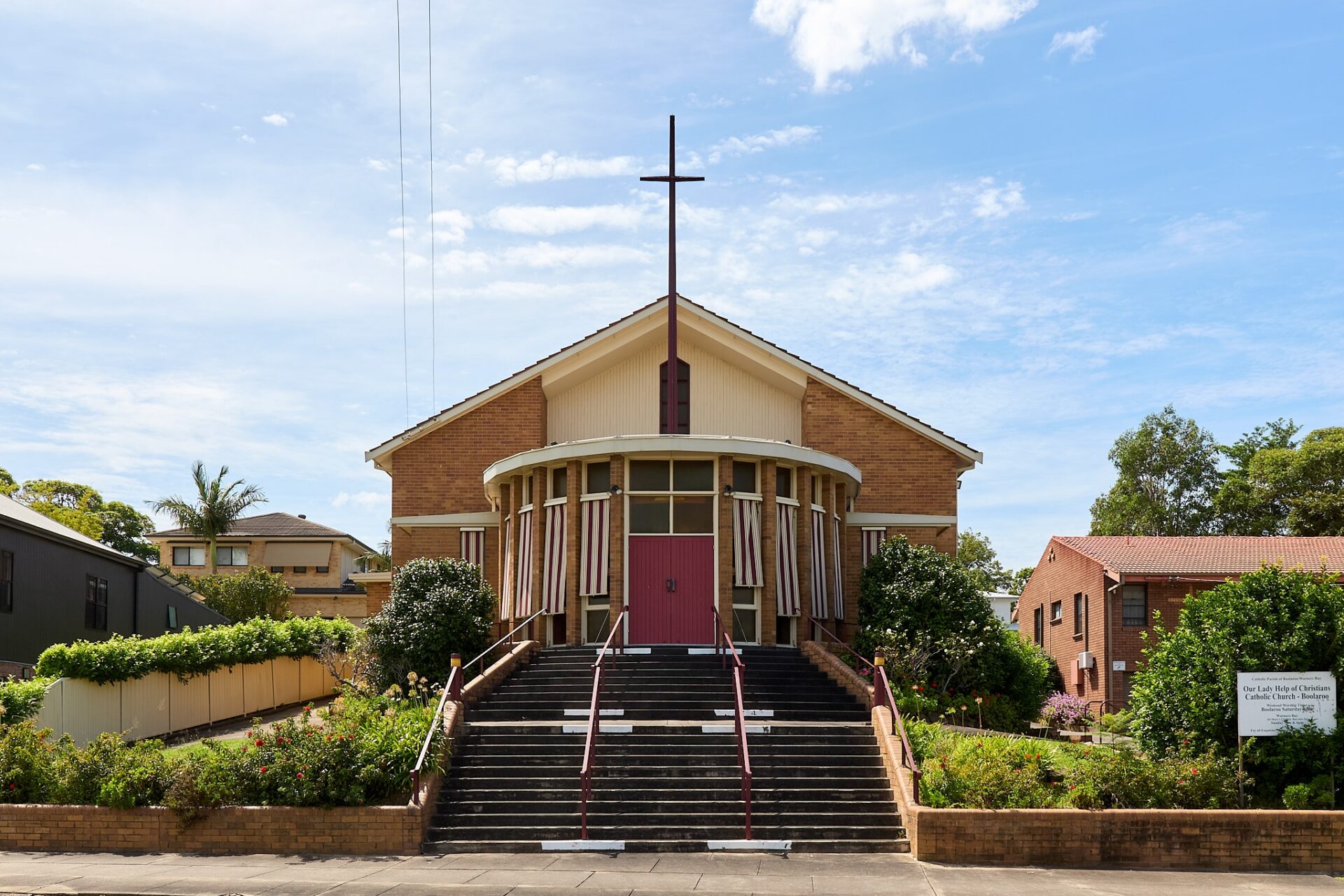
This year we mark one hundred years since the formal establishment of the Parish of Lake Macquarie under the patronage of Our Lady Help of Christians. In that time, the parish has weathered industrial change, shifting diocesan boundaries, financial debates and cultural anxieties.
The smelting works at Cockle Creek shaped the early growth of the district. Mass was celebrated in the Sulphide Hall near where Club Macquarie now stands, workers lived in tents, and priests travelled vast distances to serve a scattered community. The church was not always easy to reach, but whenever Mass was offered, the archives note that it was well attended.
The details change, but the heart does not.
In 1926, the first baptism recorded in the parish was Kelvin James Hodges. Two days earlier, the first marriage took place. A young couple stood before God with hopes and dreams not so different from those of couples today. Faith was entrusted to families, and families carried it forward.
There were debates as well. In 1959, parishioners argued passionately over whether to build a hall or a new church. Letters were written and opinions were strong. In the end, the decision was made to build the church first. Halls serve a purpose, but gathering for the Eucharist stands at the centre of who we are.
Now, as we celebrate one hundred years and prepare to close the doors of the Boolaroo church building, it would be easy to focus only on what is ending.
The archives suggest a wider perspective. Every generation has believed it was living through uncertain times. There were concerns about cinema in the 1920s, dancing in the 1950s, and later about industrial change, finances and parish boundaries. Through it all, parish life continued.
People kept coming. They brought their children for Baptism, stood before the altar to be married and gathered for Sunday Mass, even when the church was small, the priest travelled long distances, or the roof needed repairing.
The circumstances were never perfect, and they are not perfect now. What carried this parish forward for a century was not the absence of problems, but the presence of faith lived in ordinary ways.
That is our inheritance, and history suggests the story is not finished yet.