10 questions about relics
In the Catholic faith tradition, when we talk about relics, we are referring to the physical remains of Saints (such as hair, bone, or blood) or the objects that they touched during their earthly life.
Featured Posts

Chasing big dreams, one finish line at a time
25 September, 2026
The simple power of being seen reading
4 September, 2026
A family woven into 100 years of St Clare’s
4 September, 2026What is a relic?
The English word relic comes from the Latin word, reliquiae, which refers to remains or ‘the things left behind.’ In the Catholic (and Orthodox) faith tradition, when we talk about relics, we are referring to the physical remains of Saints (such as hair, bone, or blood) or the objects that they touched during their earthly life. Relics are a physical reminder of the grace of God that shone, and continues to shine, through the lives of holy men and women.
What are the different kinds of relics?
Within the Catholic tradition, we recognise three categories of relics:
- A first-class relic is any physical remains of a saint’s body, such as bone, hair, blood, or flesh. It is often a small sample preserved in a special container known as a ‘reliquary.’
- A second-class relic is an item worn, owned, or used by the saint during their lifetime. Often, it is an item of significance, such as a rosary, blanket, or item of clothing.
- A third-class relic is an item that has touched a first-class relic, or the saint’s tomb.
While this is the popular classification, there is no official church document that classifies relics this way, rather they use the terms significant (from the Latin insigni) or important (covering those considered first class relics) and non-significant (covering everything else).
What’s so special about the body and ‘stuff’?
Jesus Christ, the Son of God, came into this world as a human person, born of Mary. He was fully human and fully divine. Because Jesus had a human body, everything about the human body reveals something of the mystery of God. The human body is a good and beautiful reality – it makes the invisible visible. Catholics believe that God is revealed through the material world and through the lives (the bodies) of people we encounter. Because Jesus came in a body and that body was resurrected and glorified, we also believe that our bodies have been redeemed and will one day be glorified, and indeed, the whole material world will be transformed too. It is through this lens that we can see why the bodies of the saints have such a special place of reverence for believers.
Why do Catholics ‘venerate’ relics?
Following the previous question, it is understandable why Catholics show great respect to the bodies of saints, holy people who have shown the life and love of God through their time on earth. It important to note that Catholics do not worship relics, as worship is reserved for God alone. We use the term ‘veneration,’ which means showing deep respect as one would an older family member, or person of exceptional merit. And yet, what we are really acknowledging is the work of God’s grace in that person’s life, and a hope that we can too, by God’s grace, follow Jesus’ example.
Why do people make pilgrimages to places with relics?
Pilgrimage is the ancient practice of travelling from one place to another as a means of spiritual growth. When we journey, the transformation of our very own bodies teaches us about suffering, overcoming trials, and trust in God. As Bishop Michael shared during the Jubilee Year, “When we journey, we do not only change place physically, but we also change ourselves by allowing God’s grace to touch us.”
When we pilgrimage to the places of saints’ tombs, or their relics, we allow their stories of transformation to guide our own journey of discovery and growth.
How do we know if relics are authentic?
The authentication of relics is something the Catholic Church takes seriously. Relics require the certification of a Bishop and are usually accompanied with documentation detailing their history and origin. Unfortunately, there have been cases of fraudulent practices over time, where false relics have been passed off as genuine. If a person doubts the authenticity of a relic, they are not compelled to venerate the relic. Indeed, this would be a wise response if the authenticity of a relic is in doubt.
There is a whole Church document dedicated to the process and preservation of relics that you can read here.
Where are relics in the bible?
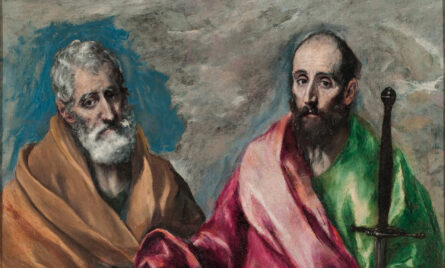
This is an interesting question as one can find examples in both the Old and New Testament. In the Second Book of Kings, we find a story of a man being revived after coming in contact with the bones of Elisha, God’s prophet to the Israelites. In the Acts of the Apostles, we read about handkerchiefs and aprons which St Paul had touched bringing healing to sick people. You can read these stories in 2 Kings 13.21 and Acts 19.11-12.
How do they get the relic?
The collection of relics, and specially fragments of the body, requires strict oversight by the Church. Parts of the body cannot be extracted without the consent of the Congregation for the Causes of the Saints. Such procedures are authenticated by the local bishop, the Promoter of Justice, anatomical experts, and two witnesses. The extracted fragments are placed in properly sealed containers and are kept in places that guarantee their safety and respect their sacredness.
Can I buy a relic?
No. The trading of relics is strictly forbidden. Relics are often gifted or bequeathed to communities or individuals but never sold.
Where can I find relics in the Diocese of Maitland-Newcastle?
Relics are actually quite commonplace around our faith communities. Most church altars house relics within them. You can also find relics housed in our schools and convents, often inside a cavity within the buildings themselves.
In 1901, Bishop James Murray received a small box containing sufficient relics to make 30 – 40 altar stones for the churches of this new diocese.
Our own Sacred Heart Cathedral has relics of St Francis of Assisi, St Eudoxius, and St Boniface within the altar table.
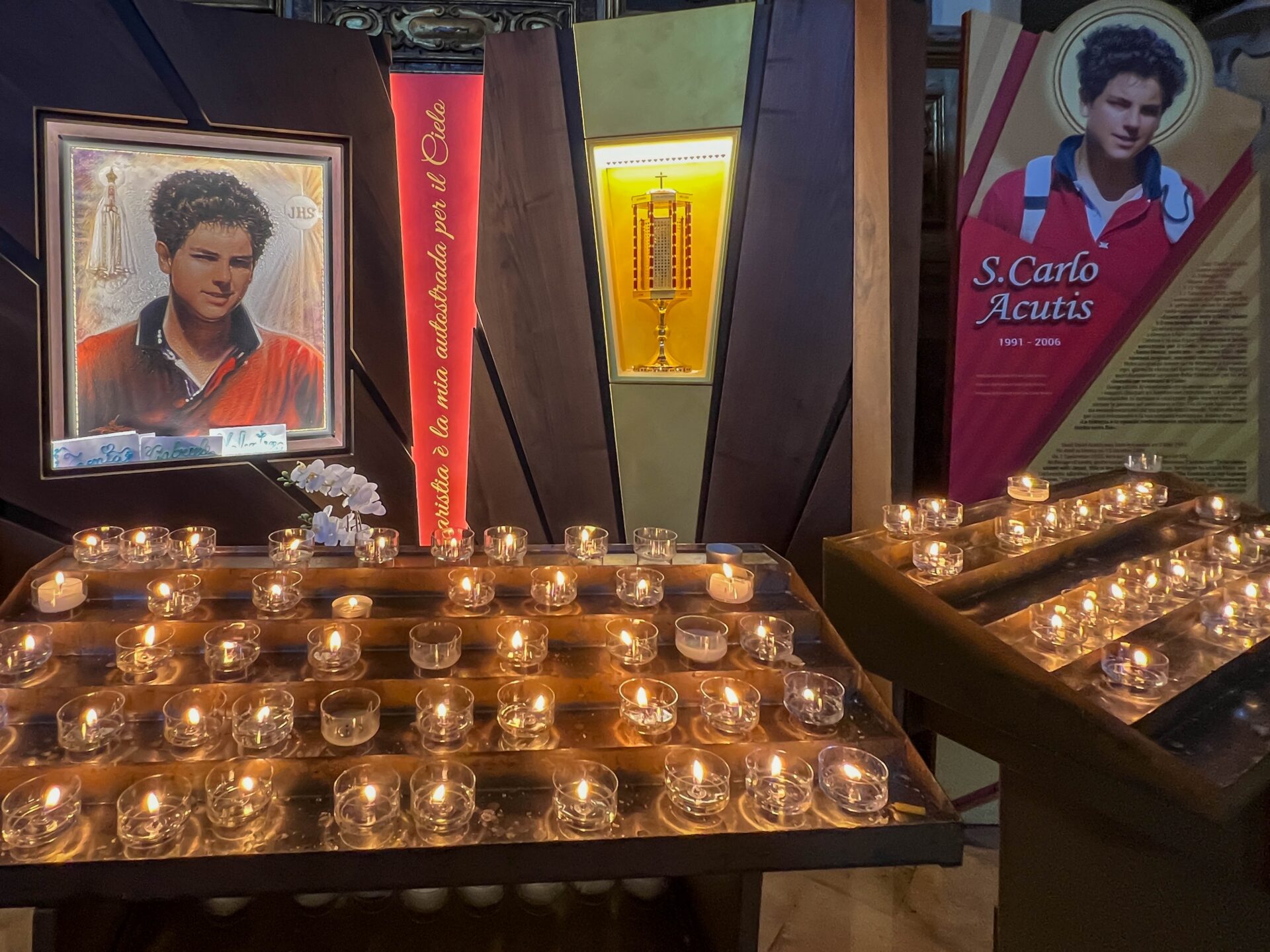
During the week of 8-14 September, the people of our Diocese will have the opportunity to encounter a first-class relic of St Carlo Acutis, the world’s first millennial saint. You can read more about this encounter here.