Bishop’s Staff Day across the Diocese
For more than 10 years, Bishop’s Staff Day has been an important and much-loved opportunity. Check out what happened at this year's event.
Featured Posts

One year on – a resilient community reflects
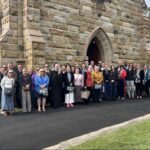
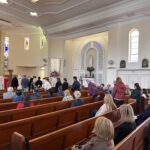
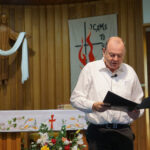
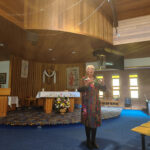
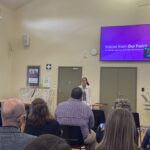
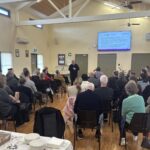
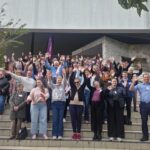
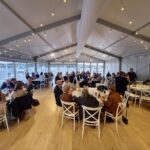
3 June, 2026For more than 10 years, Bishop’s Staff Day has been an important and much-loved opportunity. Held on 2 June 2026, the day was celebrated by more than 340 staff and 200 parishioners across seven of our parishes. The day provided an opportunity for staff to connect, collaborate, and reflect on the important role we each play in being Called to Be More and living out God’s mission throughout our Diocese.
Explore a wrap-up and photos from each of the visits below:
Raymond Terrace
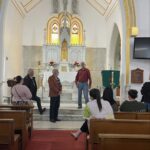
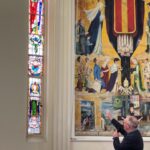
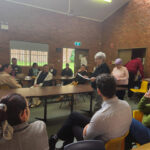
Staff and parishioners engaged in small group conversations discussing the mission and hope of the Diocese from our own unique perspectives. We also discussed the challenges that may face us in achieving these goals. Parishioners shared the history of St Bridgid’s Parish including the work taken to source funds and complete the renovations of the church hall. Staff were taken for a tour of the recently refurbished church with its 164-year history, the school’s dynamic library space and the original Mercy Sisters’ convent that began the mission in Raymond Terrace.
Tighes Hill
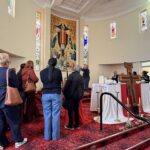
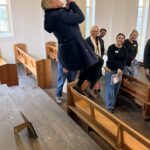
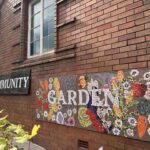
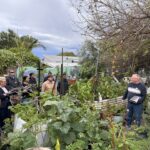
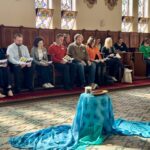
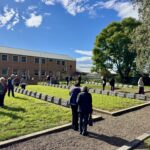
Staff participated in a unique prayer experience of Taizé (pronounced tay-zay) – a meditative, contemplative form of prayer originating in France that includes candles, periods of silence, and short, repetitive musical chants. Parishioners then led staff on a tour of the church sharing its history and the ways the parish connects with and engages the wider community. For those brave enough to have a go at ringing the heavy church bell, they found it quite literally sweeping them off their feet. Finally, the visit concluded with a tour of the community garden, a shared place where the community gathers.
Booragul
Around 40 staff gathered at Booragul Warners Bay Parish for a day of connection and encounter. After prayer and worship, participants heard from parishioners and ministry leaders about the realities of parish life. Fr Darryl reflected on Boolaroo’s centenary celebrations and the recent church closure, while parishioners shared the impact of this significant change on their community. Staff heard how Real Women’s Café Nights provide friendship, support and faith-filled conversation for women across denominations, and how St Vincent de Paul volunteers continue to make a difference in local lives. Parishioners from Morisset spoke about how cultural diversity and parish assemblies are fostering participation, belonging and stronger community connections and we heard how the Parish fosters relationships with our schools.
Charlestown
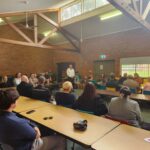
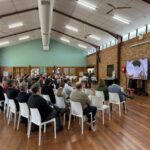
Almost 50 staff gathered at Charlestown to hear from Fr Tony Potts and other voices from the Parish about its recent journey of growth and engagement with young people. Fr Tony shared the inspiring changes the Mackillop Parish has been making which has reinvigorated aspects of the church and welcomed young people back to find their faith. Staff heard from Finn, Logan, Flynn and Mia who have participated in Alpha programs as they connected and felt a belonging in the Parish. Fr Tony also took the opportunity to reflect on change and invited long-term Parishioners to share their thoughts about how the changes in the Parish have been received and how they have created a welcoming community.
Singleton
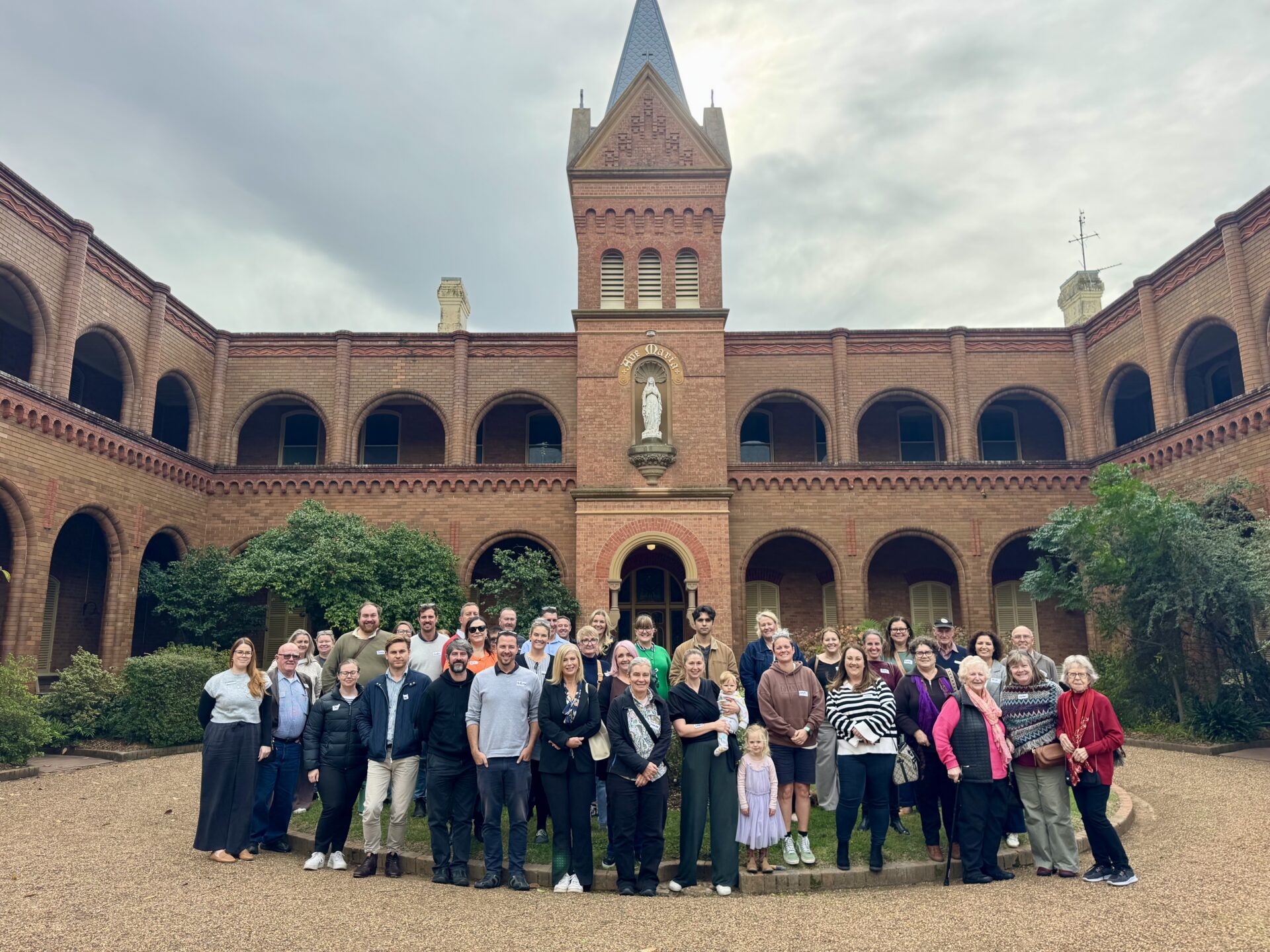
The Singleton experience drew on the incredible stories of parishioners and Mercy Sisters who have given so much to the community for over 70 years. Our staff heard emotional stories of the love and labour that had gone into the parish for generations. Following this they took on the role of young Mercy women walking into the Convent for the first time. And what a journey through the halls that was. If only the walls could speak.
Belmont
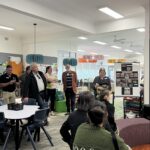
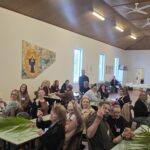
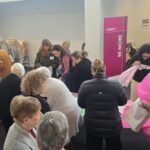
The visit to Jesus the Good Shepherd Parish, Belmont was a rewarding day, with staff participating in many hands-on activities. Fr Gerard Mackie shared the church’s history, before the staff assisted in packing support bags for women assisted by Zonta House Women’s Refuge. The group also spent time alongside the parish’s Crafty Ladies, learning to knit items for those in need and folding palm leaves into crosses for Palm Sunday. A highlight of the day was the meaningful connection and interaction shared between staff and parishioners, which made the day especially memorable.
East Maitland
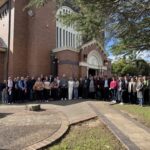
Staff gathered at St Joseph’s, East Maitland, where they were warmly welcomed by Fr George and parishioners and joined together in an opening prayer. The group then moved to the Therry Centre where they learnt about the rich history of the parish, with stories dating back to the 1800s and the beginnings of the Diocese. A strong theme throughout the day was the importance of community connections, and the parish proudly showcased its offerings in youth ministry and gatherings for those curious about exploring their faith in a welcoming and accessible way. A nod to local history was that famous Australian boxer, the late Les Darcy, was a member of the East Maitland parish.
Check out our gallery of photos from across the day: